Duration
14 Weeks
Year
2025
Skills
3D modeling, rendering (KeyShot), ergonomic design for facial treatments, interaction design, mechanism integration
#Lifestyle
#Beauty
#Self-care

Hue

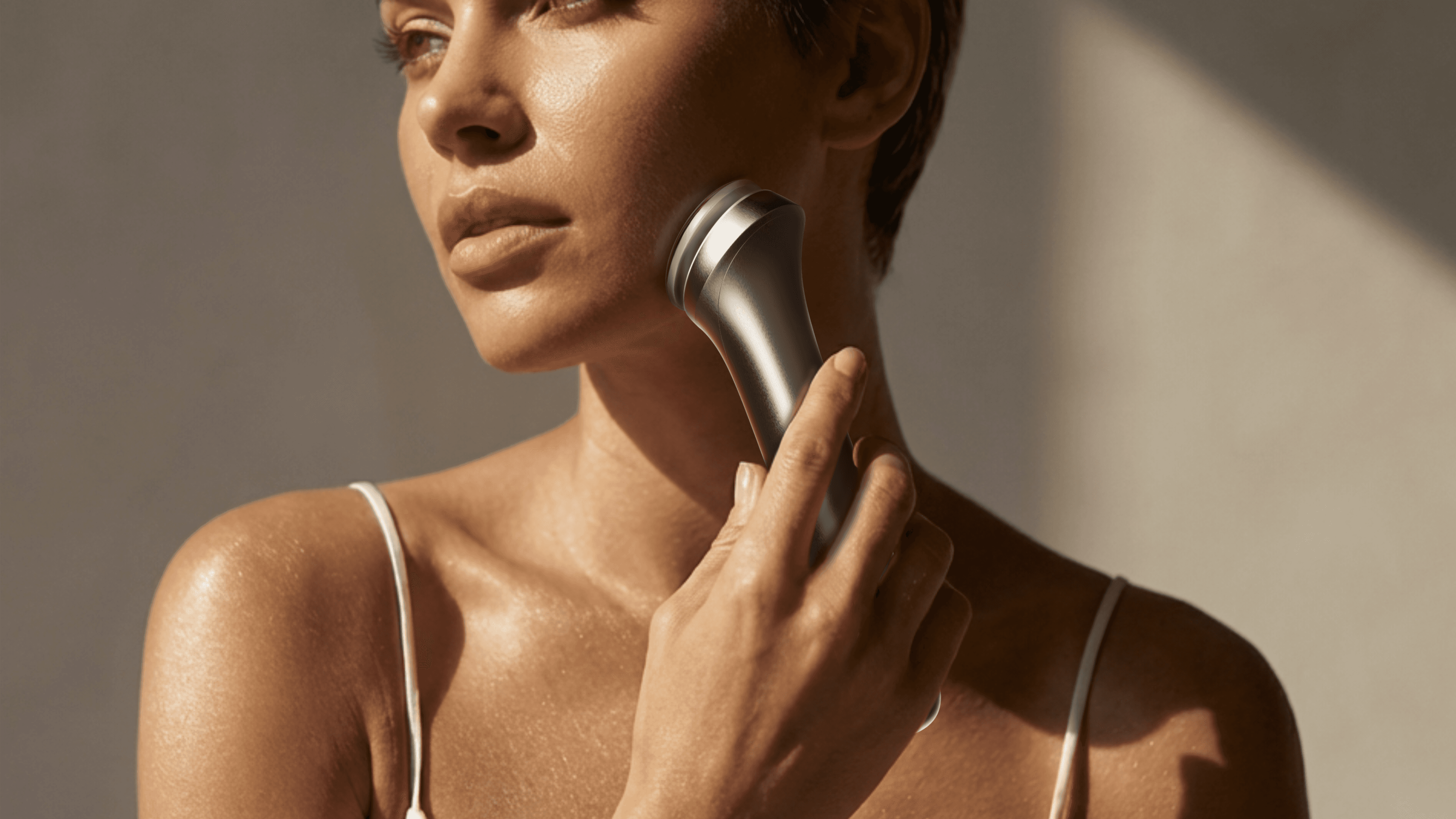
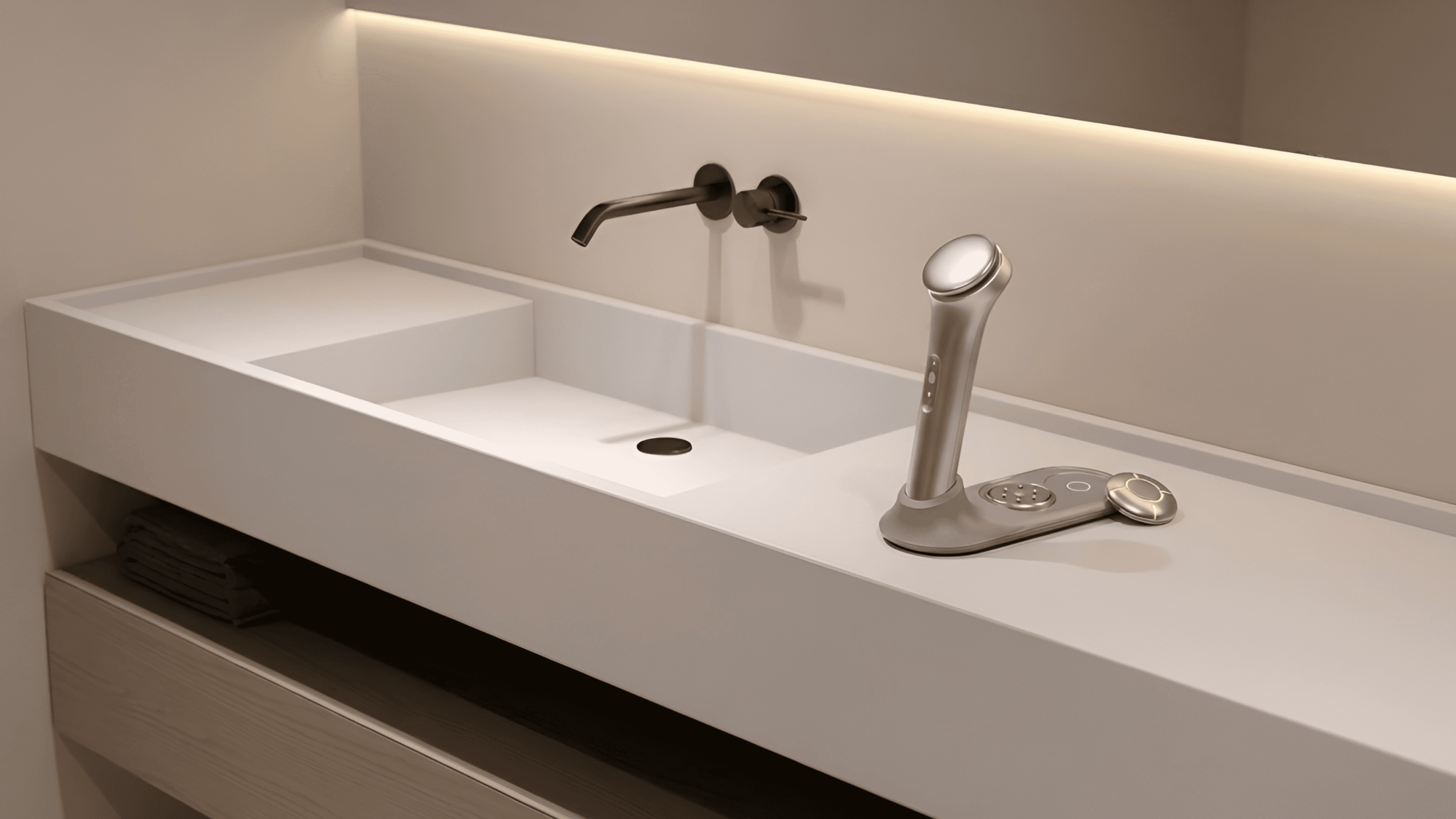
A contour-adaptive handheld beauty device
with anti-touch protection.

Trends & gaps

0b+

0b+

Facial care devices continue to be a mainstay in the global market.
0%

0%

Consumers prefer at-home beauty devices for convenience and cost.
0%

0%

DIY beauty users demand proven efficacy from at-home beauty solutions.
0%

0%

Consumers aged 25–35 prioritize prevention over correction in skincare.

User Comments
  • “The device causes an electric shock... reddens my skin...”

  • “Buttons ... are placed where your fingertips grip...accidentally hit a button and change settings to throw off...”

  • "Buttons where fingers go, constantly changing modes by mistake"

  • "Extremely heavy! It leaves various marks on my face that take hours to fade."

At-home beauty promises convenience, but real use tells a different story.

User behavior study
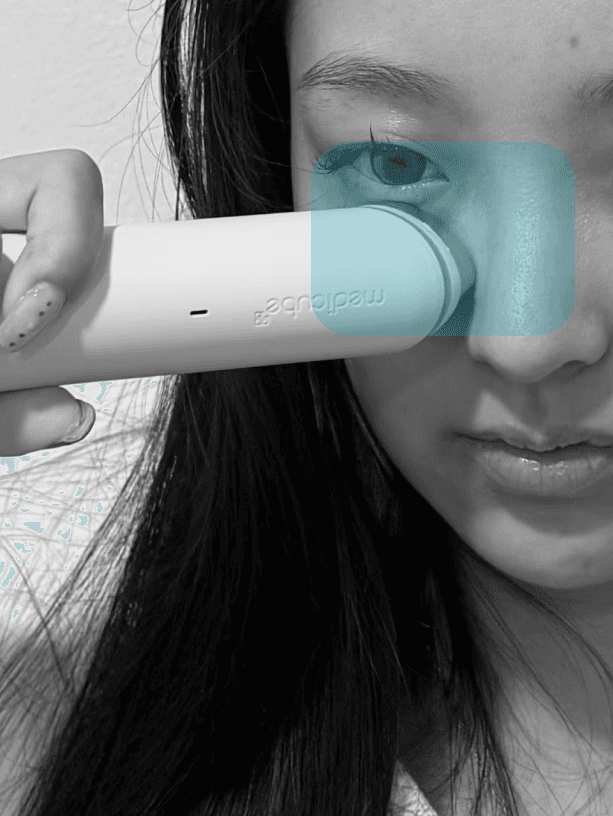
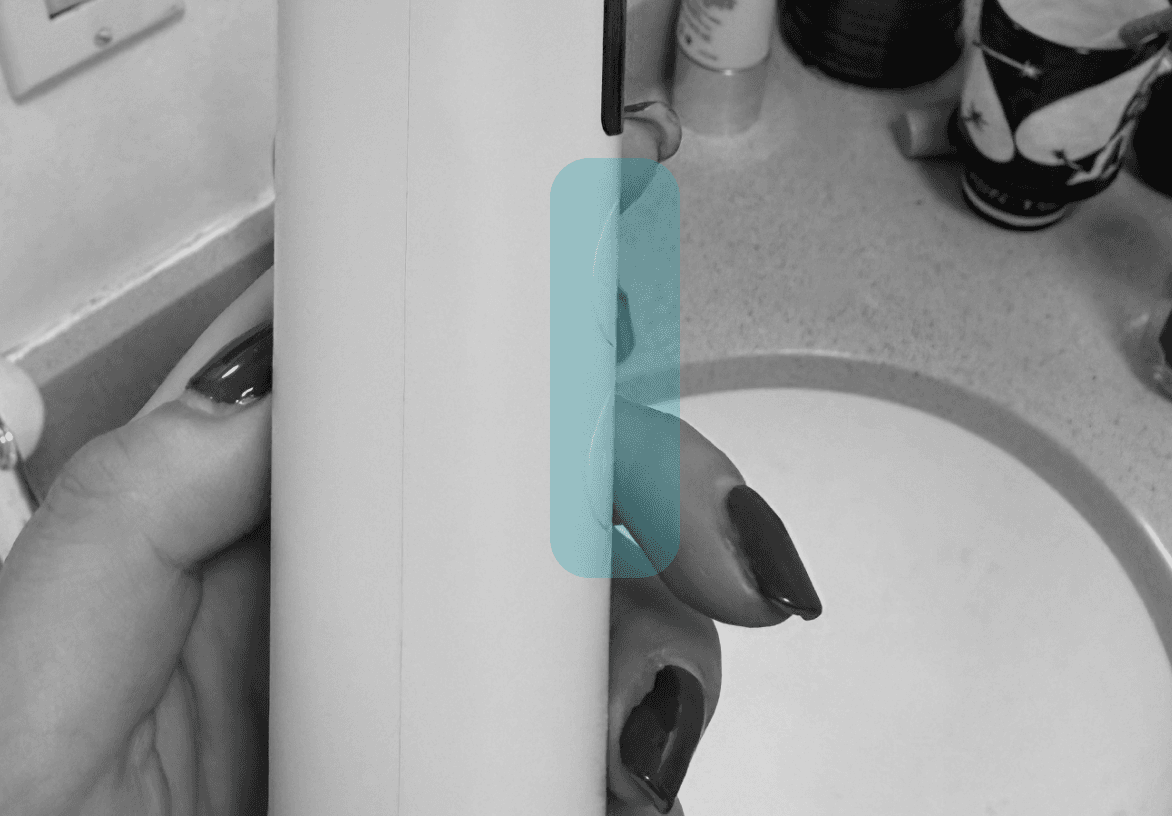
  • Buttons are prone to accidental touches

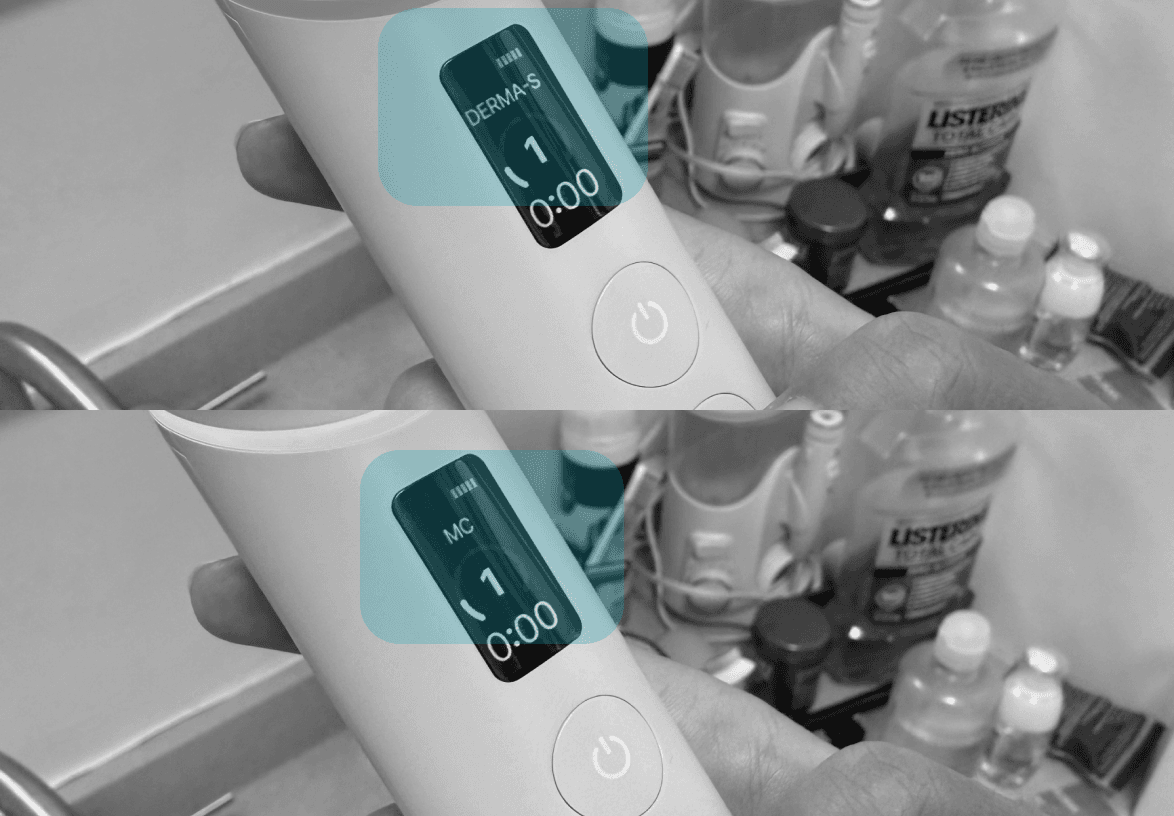
  • Complicated mode-switching logic

  • Struggle to maintain the ideal angle

  • Long sessions gripping cause discomfort

  • Easily falls down on the countertop 

Image
Image
Image
Image
Image
Image
Design Criteria

Facial devices require users to adjust grip and angle, causing inconsistent contact and hand fatigue.

  • Adaptive by design

  • Built for flexibility

  • Ergonomic by default

Introducing

Design features

Slide to unlock

The button remains locked before powering on to prevent accidental activation.

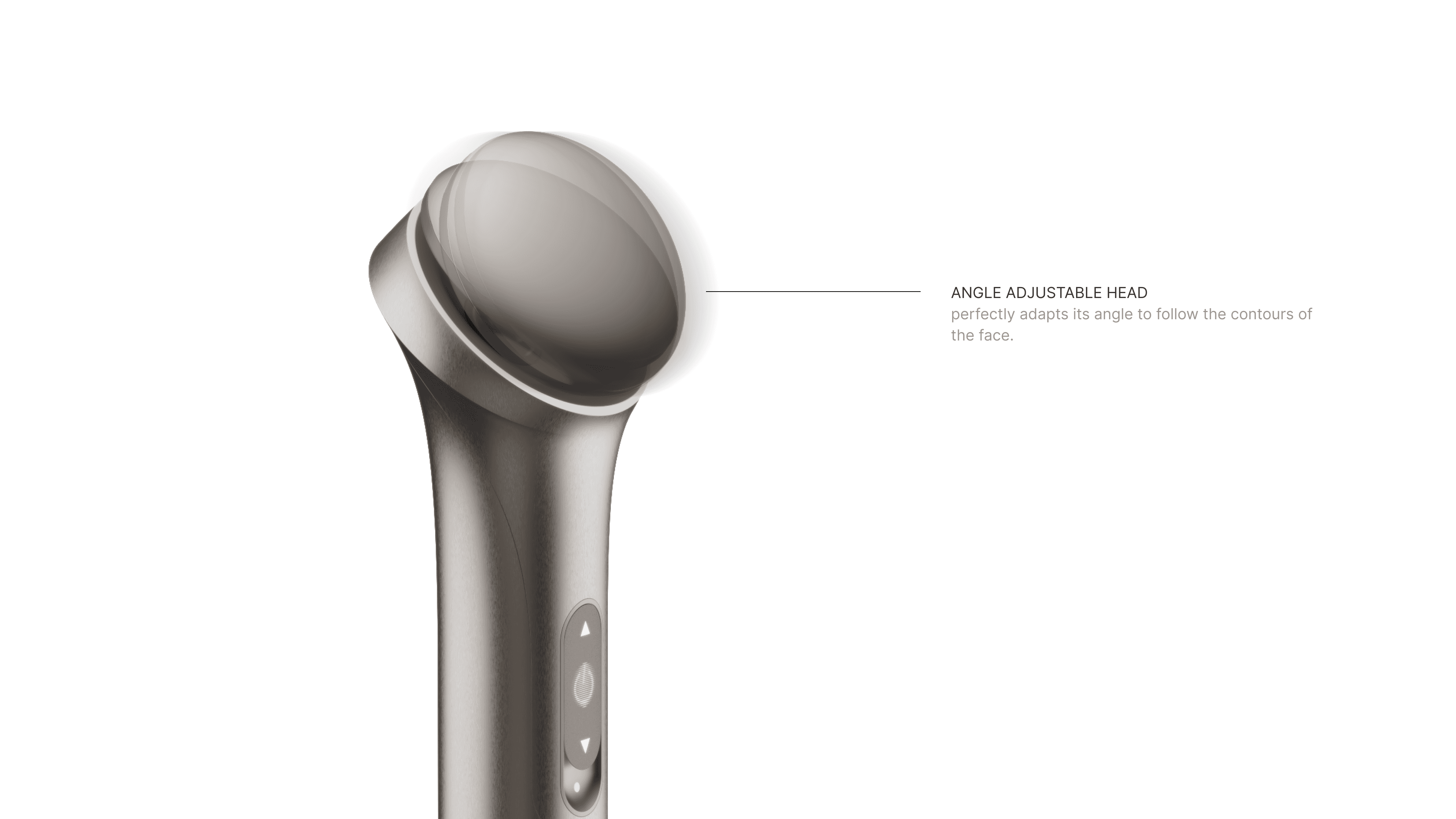
Perfectly follows face contour.
Visible, approachable, and intuitive.

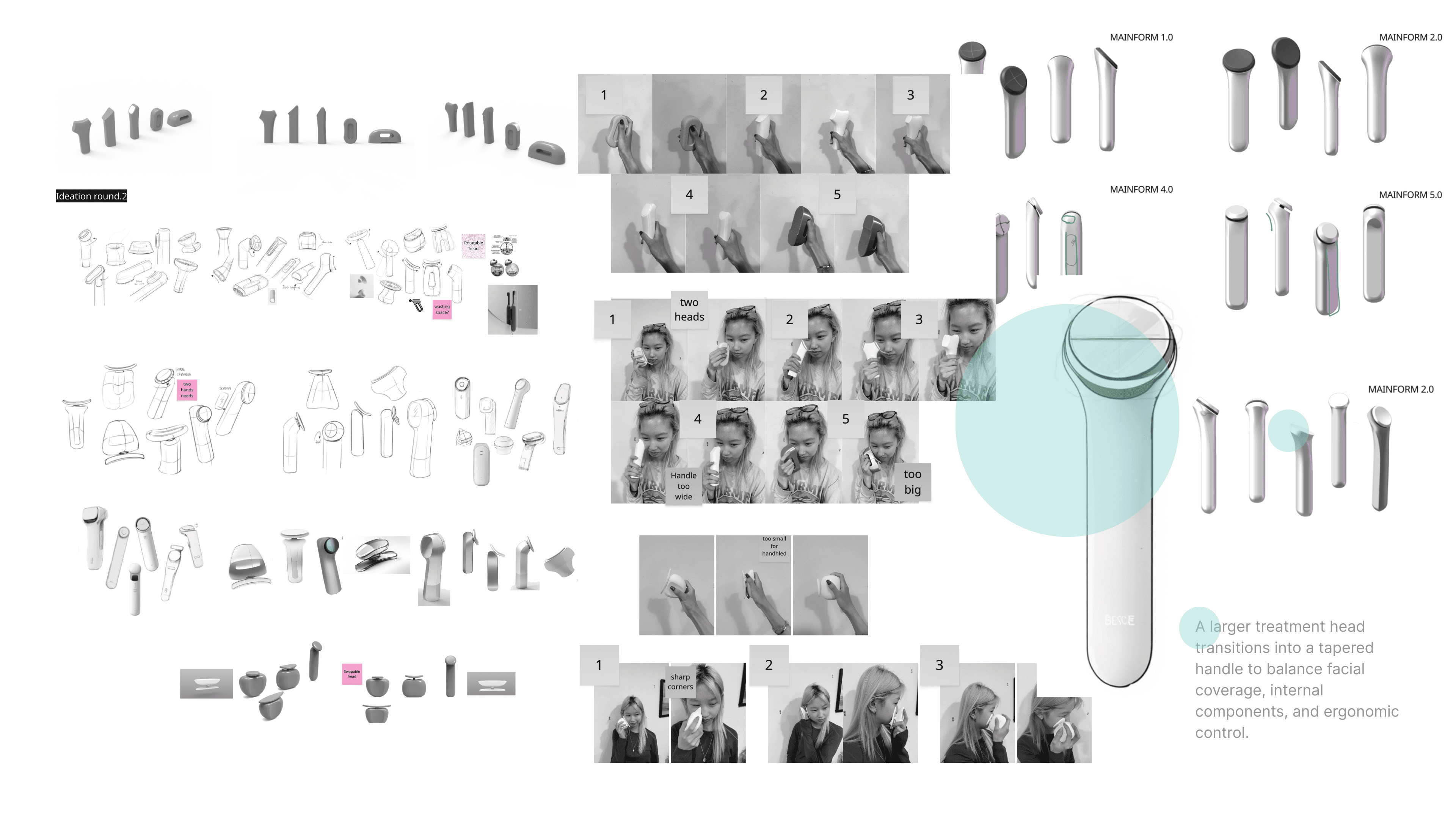
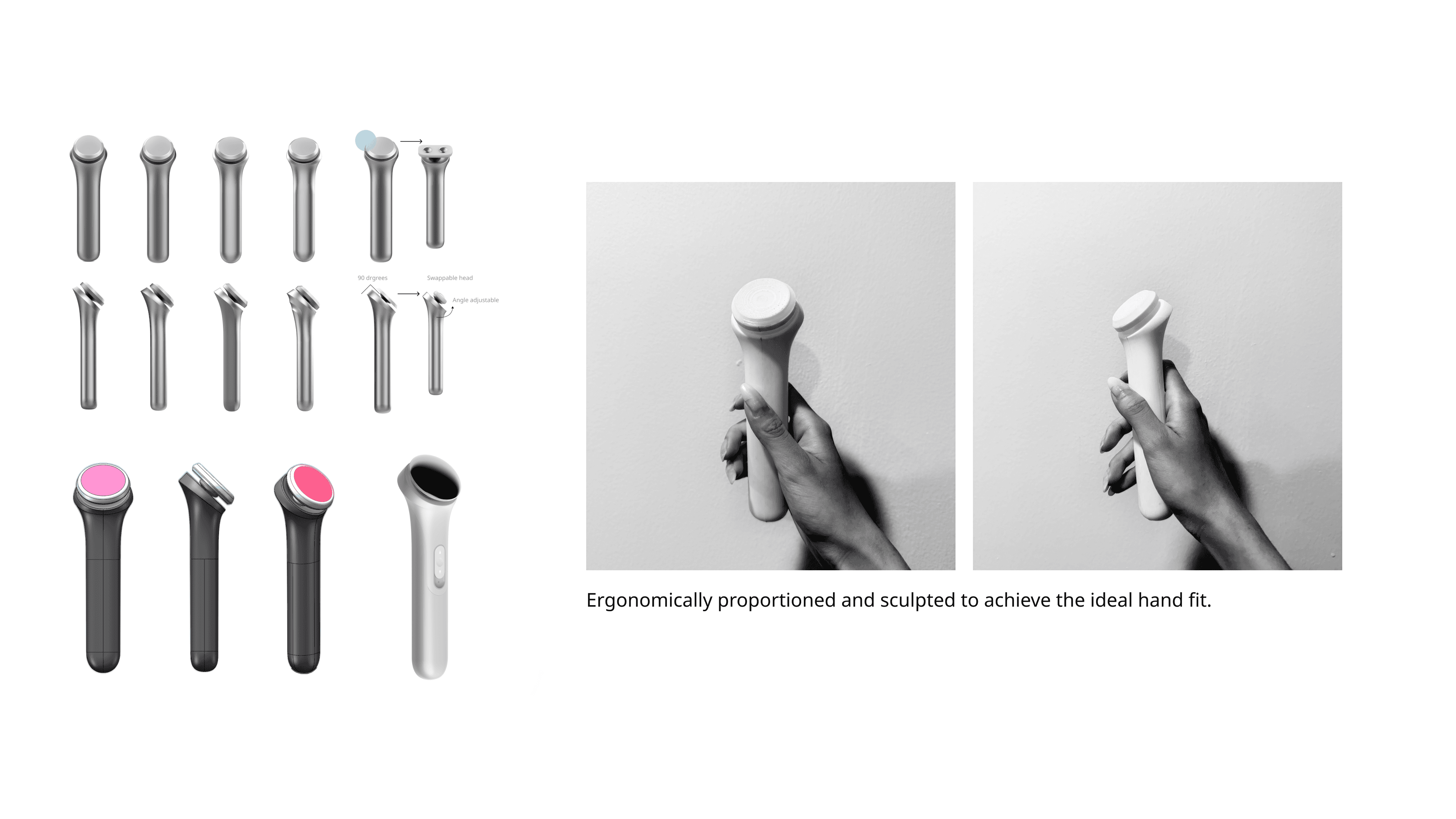
Design process

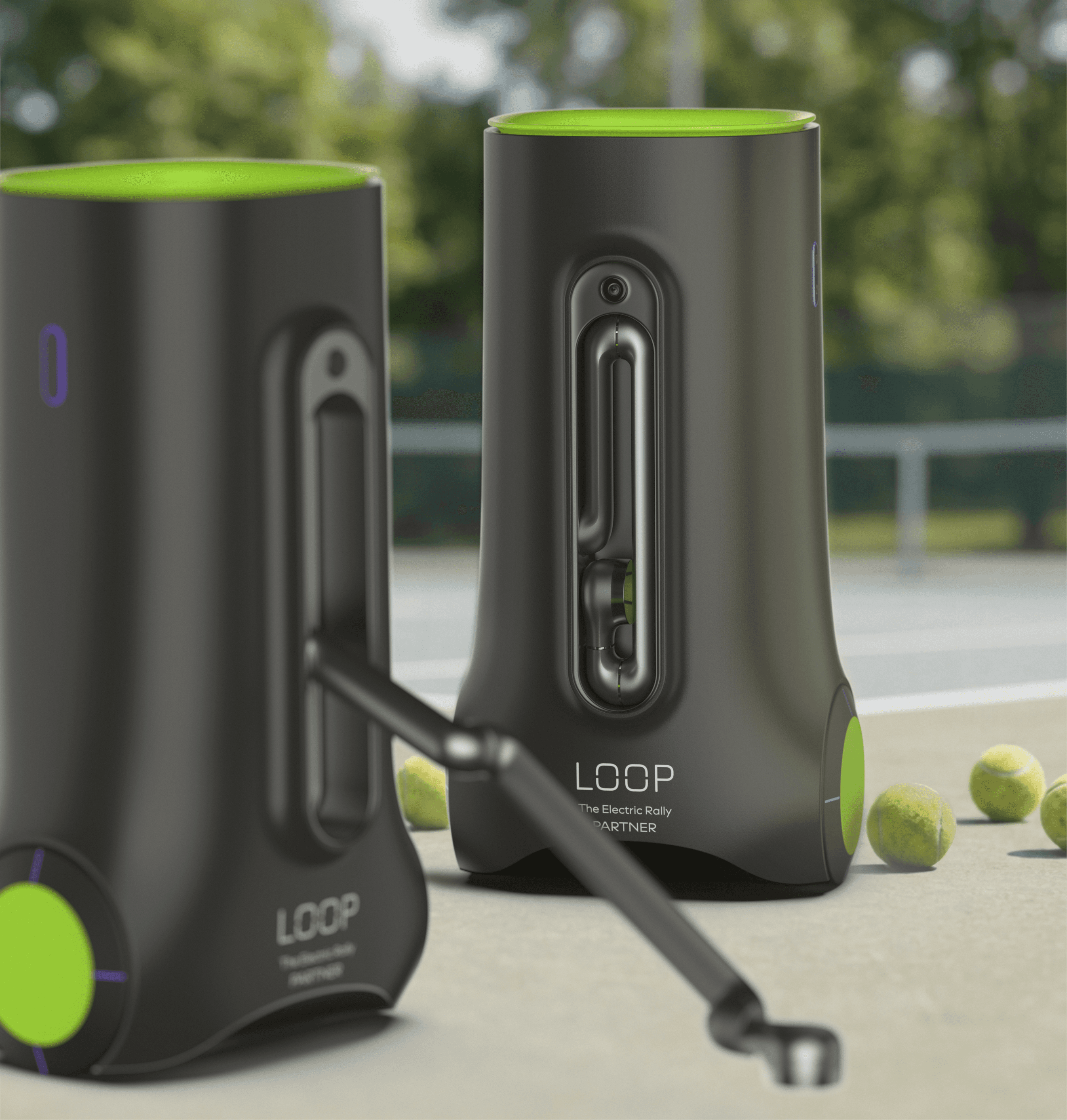
The studies explored different ball-feeding mechanisms, basket integrations, mobility configurations, and overall proportions to define an intuitive, efficient, and visually cohesive form that supports uninterrupted training.

Sketch exploration

CAD

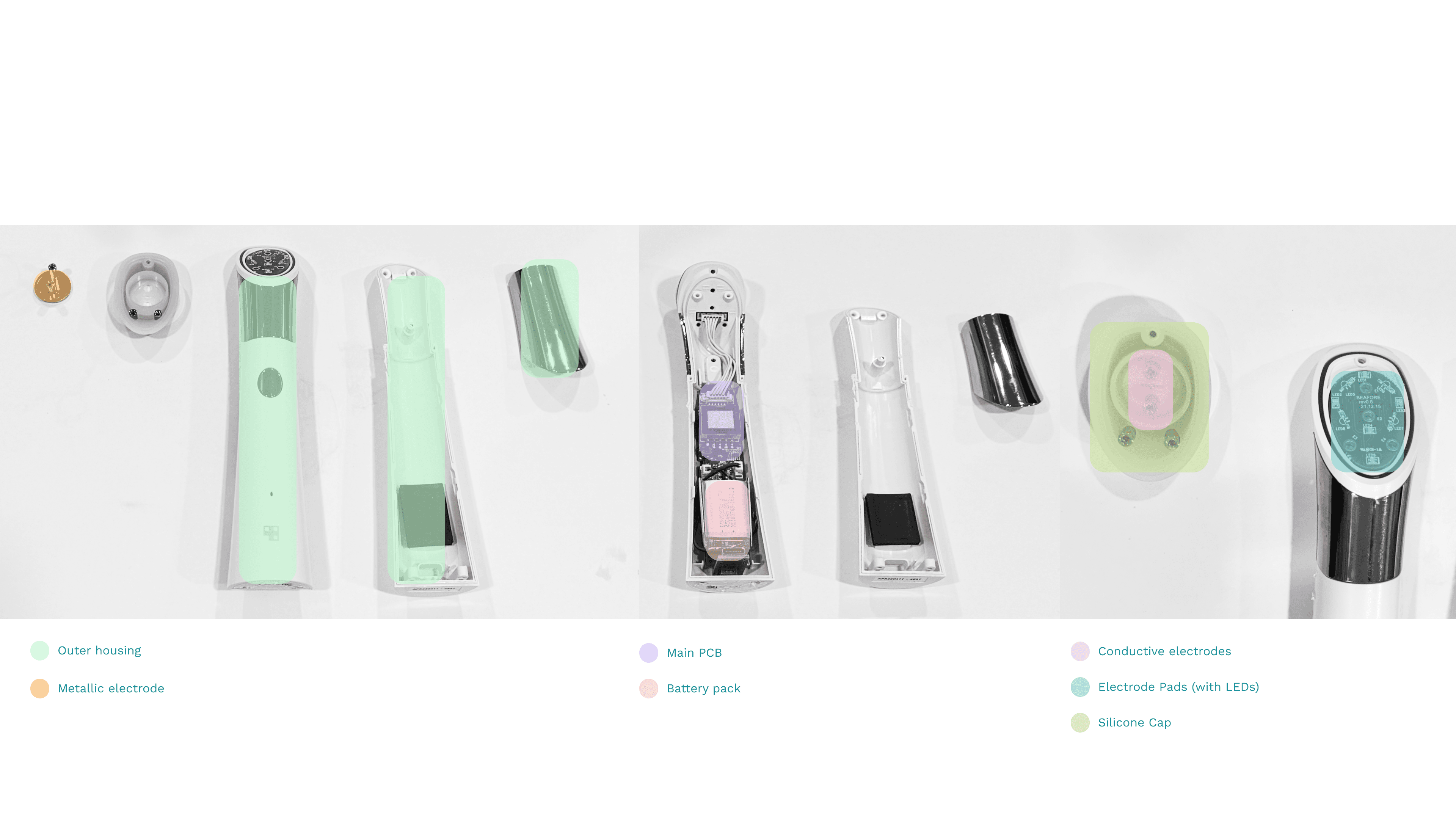
Components study

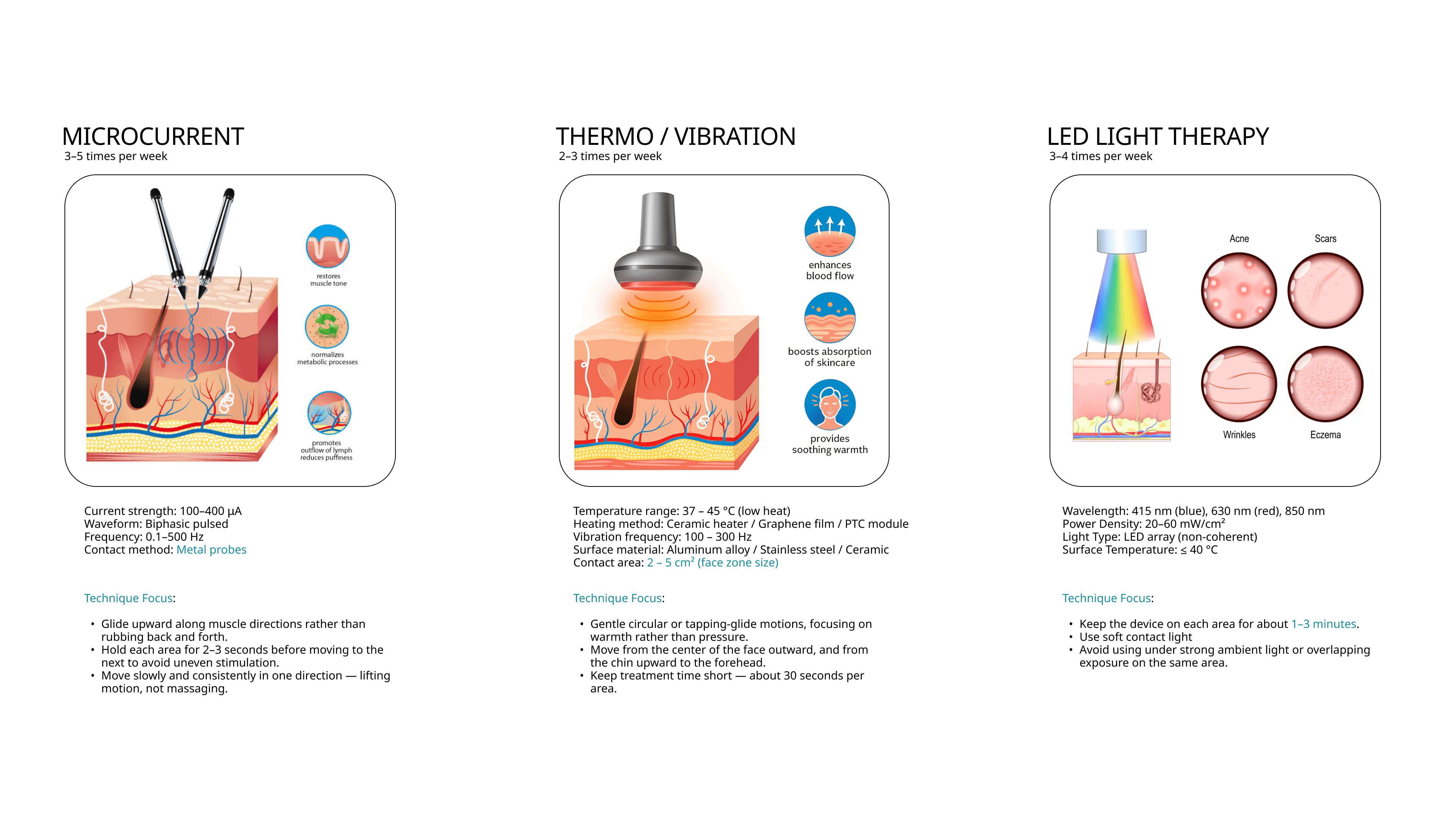
Function study

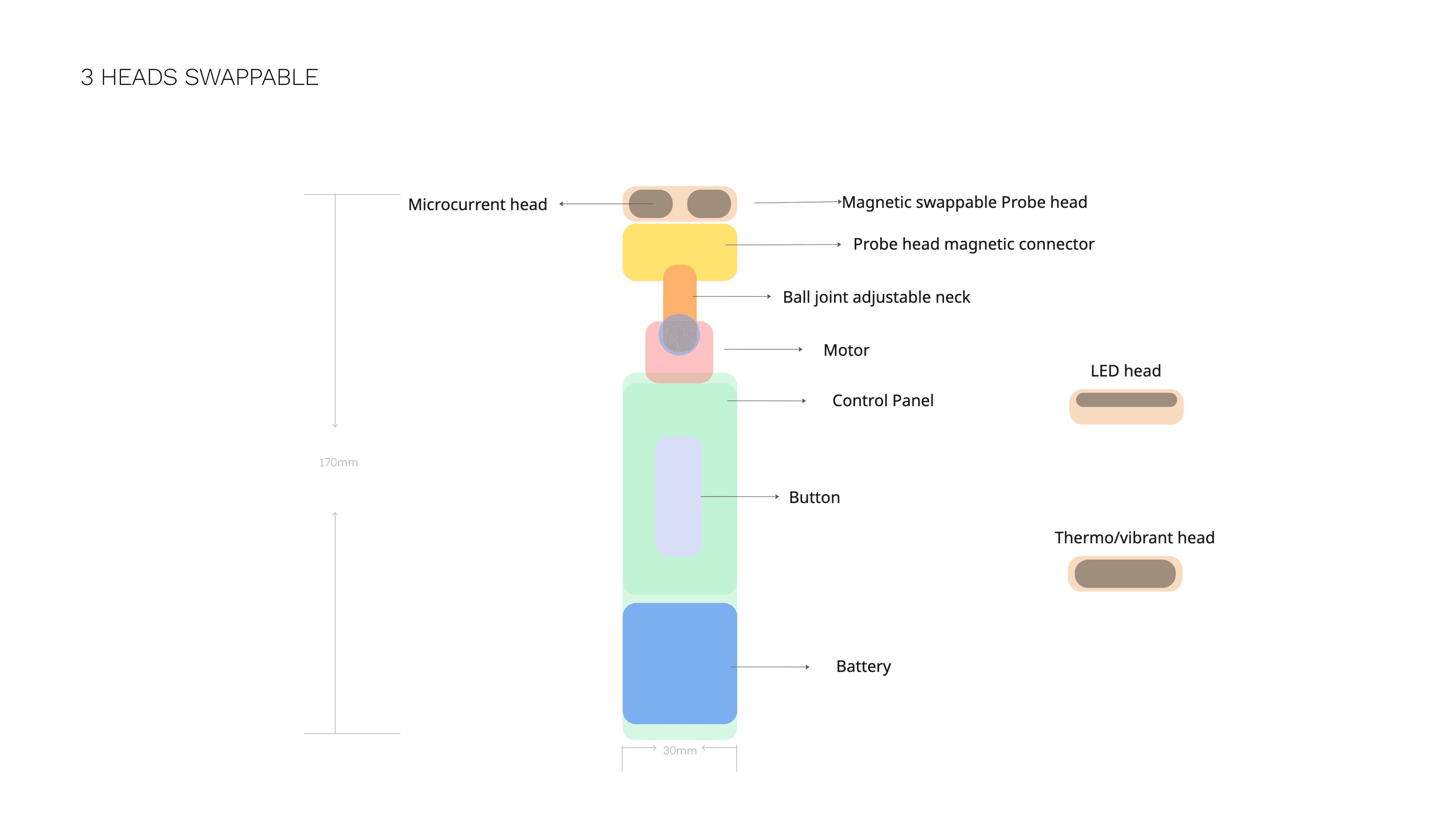
Components layout